
SEO Is Not Dead: From Ranking Tricks to Search Ecosystem Optimization
Why do those declaring SEO dead return to robots.txt? A Q&A on the SEO–GEO debate and how brands should approach an expanding search ecosystem.
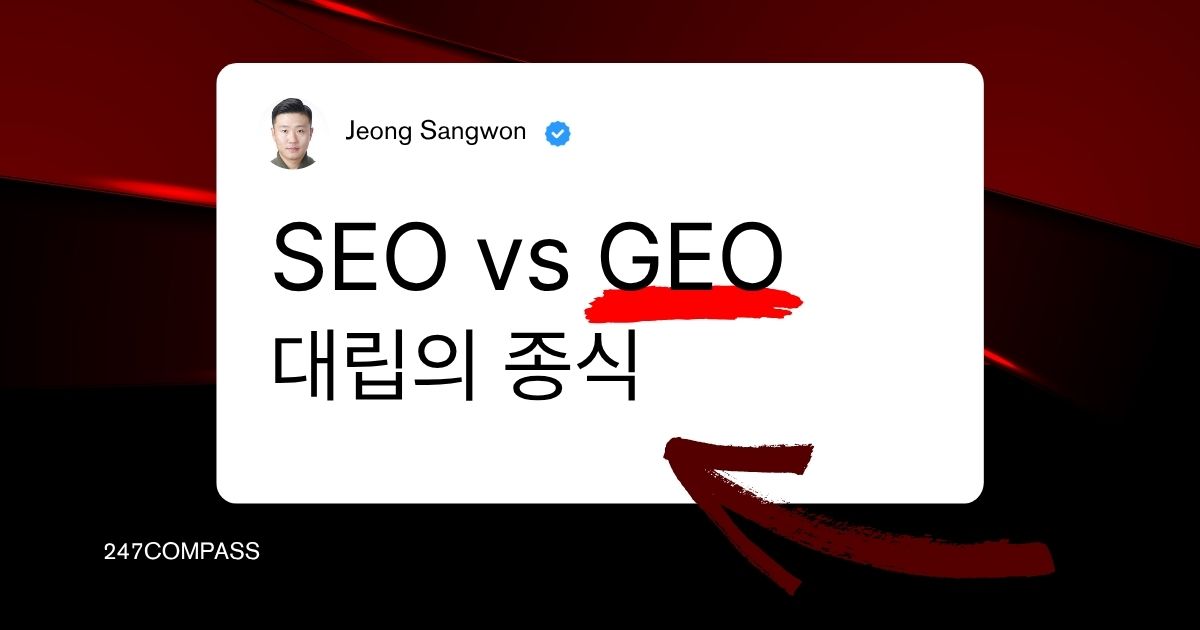
Why Are Those Who Declared SEO Dead Talking About robots.txt Again?#
“SEO is dead; GEO is the new black” has become a familiar message in marketing and LinkedIn feeds. The argument is that AI chatbots will replace search, making traditional SEO obsolete.
Yet Google’s announcements[1] and guidance have renewed attention to SEO. Some advocates of GEO now present robots.txt and structured data as its hidden essentials.
For practitioners who have delivered SEO projects for years, the response is predictable:
Aren’t those already fundamental to SEO?
This Q&A examines the unnecessary conflict and the questions brands should ask.
Understanding the SEO–GEO Debate#
Q1. Has Generative AI Killed SEO?#
No. It has added discovery touchpoints.
ChatGPT, Gemini, Claude and Perplexity create new channels for brand research. Their information sources still include the web. Without well-structured websites and useful content, AI has little basis for understanding a brand. SEO’s scope expands to serve another information consumer.
Questions to consider:
- Are your customers actually researching brands and products more through AI chatbots than traditional search? What evidence supports that view?
- Are you confusing marketers’ enthusiasm for AI tools with customers’ real purchase journeys?
Q2. Do Wiki-Seeding and Knowledge-Graph Site Packages Work?#
They can resemble an AI version of old ranking manipulation rather than lasting brand assets.
Building multiple external wiki sites to force mentions may produce short-term exposure. But such tactics risk being treated as spam as systems assess source authority and accuracy more rigorously. One-off seeding outside owned channels can be undermined by an update and damage trust.
Questions to consider:
- Will information on manipulation-oriented sites remain useful after model updates and become a genuine brand asset?
- How durable were the results when you previously paid for ranking tricks?
Q3. Will AI Agents Compare Products and Complete Every Purchase?#
Technical possibility and human shopping psychology are different questions.
Automatic replenishment may suit everyday essentials. For other purchases, people enjoy discovering brands, comparing designs and reviews, and choosing what feels right—the joy of shopping.
AI can enrich that process rather than take control of it. Choice and enjoyment remain with the customer.
Questions to consider:
- Is removing exploration and automatically completing checkout really the experience customers want?
- Before optimising for AI, does the website give people an appealing reason to compare and buy?
Q4. Why Is GEO Marketing Returning to robots.txt and Structured Data?#
The technical fundamentals remain essential, whatever label is used.
Crawler access through robots.txt and Schema.org data explaining products, prices and reviews are established Technical SEO practices. Presenting them as entirely new GEO secrets can obscure rather than explain the underlying work.
Questions to consider:
- Can a GEO-specific solution work without sound website structure and crawlability?
- Are you paying a premium for established SEO techniques under a new name?
Q5. Why Is AI Marketing Discourse Often Exaggerated?#
Easy content generation and attention-seeking marketing reinforce each other.
Headlines claiming that SEO is finished or that a business will fail without a new technique exploit anxiety. The substance may be recycled or unclear, and lengthy AI-generated material can amplify the confusion.
Questions to consider:
- How many recent GEO articles explain actual system architecture or crawling in depth?
- Are you paying for uncertainty created by a provocative headline rather than a concrete solution?
Q6. How Should We Define and Respond to the Opportunity?#
Expand from Search Engine Optimization to Search Ecosystem Optimization.
Focusing only on the engine can encourage an obsession with manipulating individual algorithms. Instead, consider Search Ecosystem Optimization : making the brand a trustworthy source wherever customers search—Google, AI chat, NAVER communities, Instagram, TikTok, Reddit or YouTube.
Questions to consider:
- Are we trying to influence one platform, or becoming a credible source across the digital ecosystem?
- Beyond the SEO-versus-GEO debate, do we have appropriate brand assets at every customer discovery touchpoint?
Three takeaways:
- GEO does not oppose SEO. AI systems operate within the web ecosystem and depend on technical foundations.
- Avoid short-lived spam tactics. Artificial seeding does not replace durable brand assets.
- Broaden the approach to a search ecosystem spanning online, offline and AI channels.
In February 2025, Digital Marketing Salon discussed the search outlook. The podcast explores how 247COMPASS understands context and intent, identifies opportunities and uses data. It is a long conversation; listen when you have time.